
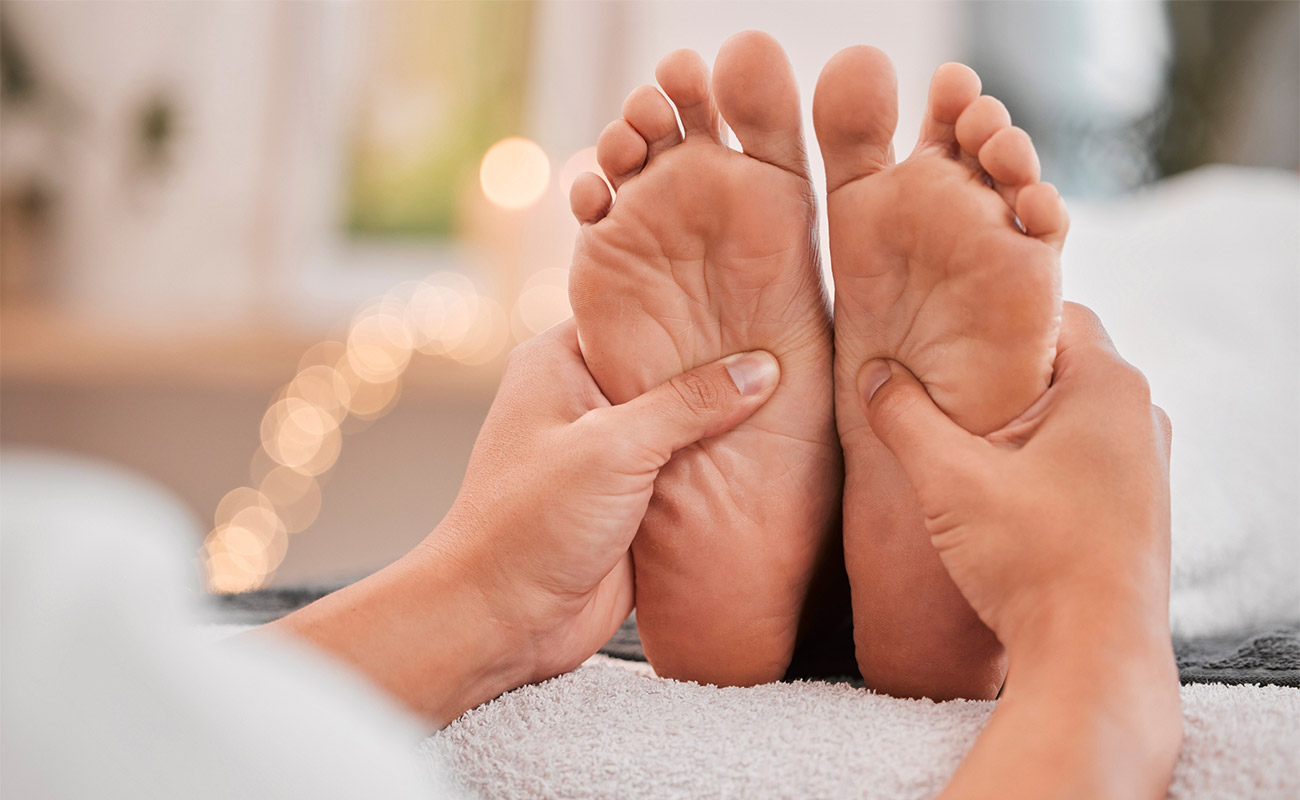
Feet. We stand on them all day, shove them into shoes, and forget they exist until they ache or complain. But what if your feet could tell you something deeper about your stress levels, digestion, or even your immune system?
Welcome to the world of reflexology: a holistic therapy that treats the body through the feet (and sometimes hands or ears), helping restore balance, reduce stress, and support overall wellness.
Whether you’ve heard whispers about “pressure points” or you’re a wellness junkie ready to try something new, this guide breaks down everything you need to know, from ancient roots to modern benefits to what really happens during a reflexology session.
What Is Reflexology?
At its core, reflexology is a therapeutic technique that involves applying pressure to specific points on the feet, hands, or ears. These points, called reflex zones, are believed to correspond to different organs, glands, and systems in the body. Think of it like a detailed body map etched into your soles.
The idea? Stimulating these reflexes sends a signal through the nervous system that can help promote relaxation, improve circulation, and support the body’s natural healing processes.
Reflexology is not just a foot massage, it’s more precise and targeted; kind of like acupuncture without the needles.
Reflexology in Ancient Cultures
Reflexology has deep historical roots. Ancient Egyptian tomb paintings dated around 2500 BCE show people receiving foot and hand treatments. Traditional Chinese medicine has long used pressure points on the feet and body as part of its qi (life force) energy balancing system. In India and Native American cultures, similar practices were used to promote healing and well-being.
While reflexology as we know it today has evolved into a more systematized method, its foundations lie in the belief that touch, pressure, and energy pathways play a vital role in maintaining health.
How Does Reflexology Work?
Reflexology isn’t about magic, it’s about stimulating the body’s own intelligence.
Here’s how it’s believed to work:
- Nerve stimulation: The feet contain over 7,500 nerve endings. By applying pressure to certain areas, reflexology may send signals through the nervous system that promote relaxation or stimulate specific organs.
- Improved circulation: Stimulating reflex zones can encourage blood flow, helping deliver oxygen and nutrients while aiding in the removal of waste products.
- Lymphatic drainage: Reflexology may assist the lymphatic system, helping reduce inflammation, clear toxins, and support immune function.
- Stress reduction: Perhaps the most widely accepted benefit is deep relaxation. Reflexology can shift the body from “fight or flight” into “rest and digest,” allowing for better sleep, digestion, and overall balance.
Some practitioners also believe reflexology helps release energy blockages, promoting a smoother flow of chi or life force throughout the body.
What Are the Benefits of Reflexology?
People often try reflexology for a variety of reasons, some medical, some emotional, and some just for the deep “ahhh” of it all. While it’s not a substitute for medical care, reflexology can complement other treatments and offer holistic support.
Here are some of the commonly reported benefits:
Physical Benefits:
- Reduces tension and muscular pain
- Improves circulation
- Aids digestion
- Relieves sinus pressure and headaches
- Eases PMS and menopause symptoms
- Supports detoxification
- Promotes better sleep
Mental & Emotional Benefits:
- Calms the nervous system
- Lowers stress and anxiety
- Boosts mood and emotional clarity
- Supports focus and mental alertness
Supportive for Chronic Conditions:
While more research is needed, reflexology has been studied for its role in supporting:
- Migraines
- Fibromyalgia
- Diabetes-related neuropathy
- Chronic fatigue syndrome
- Irritable bowel syndrome (IBS)
What Happens During a Reflexology Session?
If you’re picturing candles, whale sounds, and someone gently tickling your toes, think again. A professional reflexology session is both therapeutic and deeply relaxing, but with a clear structure.
Here’s what you can expect:
15 Minutes: Health History & Wellness Recommendations
Your session starts with a brief consultation. Your reflexologist will ask about:
- Your general health and medical history
- Any specific symptoms or concerns
- Stress levels, sleep quality, and digestion
- Medications or recent treatments
This helps the practitioner tailor your session to your needs and ensure reflexology is safe and appropriate for you. Based on your goals, they may recommend a series of sessions or offer general lifestyle tips that align with reflexology’s principles.
45 Minutes: Foot Reflexology Treatment
You’ll then be asked to remove your shoes and socks and recline in a cozy chair or massage table.
Using firm but gentle pressure, the practitioner will work systematically through different zones of your feet, using thumb-walking techniques, finger rolling, or targeted holds.
They’ll pay attention to areas that feel tight, tender, or gritty; these are often indicators of energetic imbalances or tension in the corresponding part of your body.
Some people find it deeply soothing, others feel energized. You might even notice subtle shifts like muscle twitching, digestive sounds, or the sudden urge to exhale and let go.
What Does Reflexology Feel Like?
Clients often describe reflexology as:
- “Surprisingly powerful for something so gentle.”
- “Like getting a massage and an emotional reset at the same time.”
- “More than just footwork, it feels like my whole body got tuned up.”
You may feel:
- Warmth or tingling in the feet
- Sensations in other parts of the body (yes, really!)
- Emotional releases or mental clarity
- Deep relaxation or drowsiness
After the session, you might feel light, floaty, and relaxed, or even a bit tired. This is part of the body’s healing process. Make sure to drink water, rest if needed, and notice how you feel over the next few days.
Are There Any Side Effects or Contraindications?
Reflexology is generally very safe. However, it may not be recommended in certain cases, such as:
- During the first trimester of pregnancy (unless performed by a trained maternity reflexologist)
- For people with severe circulatory issues, foot injuries, or infections
.
How Often Should You Book Reflexology?
This depends on your goals.
- For stress management or general wellness: once every 2-4 weeks
- For chronic issues: 1-2 sessions per week for several weeks may be recommended initially
- For prevention and maintenance: monthly sessions are ideal
Many clients report deeper and more long-lasting results after a few consistent sessions, as the body becomes more responsive to the work.
Foot, Meet Function: Why Reflexology Is Worth Trying
Whether you’re skeptical or already woo-curious, reflexology is one of those therapies that you have to feel to believe.
It bridges the gap between science and ancient healing by focusing on something simple yet profound: your feet as a gateway to your entire being.
You might come in for stress relief and walk out feeling like your whole system just exhaled. Or you may notice subtle shifts in sleep, digestion, or mood that add up over time.
And even if you’re just in it for the quiet hour of TLC, no shame in that, your feet (and your nervous system) deserve the love.
In a world that’s constantly go-go-go, reflexology invites us to pause, ground ourselves, and listen to the subtle language of the body. It’s a gentle nudge back to balance, reminding us that wellness doesn’t always have to be loud or complicated.
Ready to try reflexology? Book your session today and give your feet (and your whole body) the reboot it deserves. Be sure to check your health insurance package before booking to ensure coverage.

